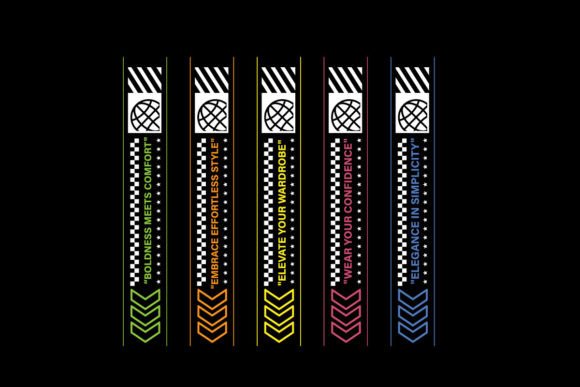
Stripe Streetwear: Urban Graphic Design Assets
The Raw Energy of Urban Aesthetics
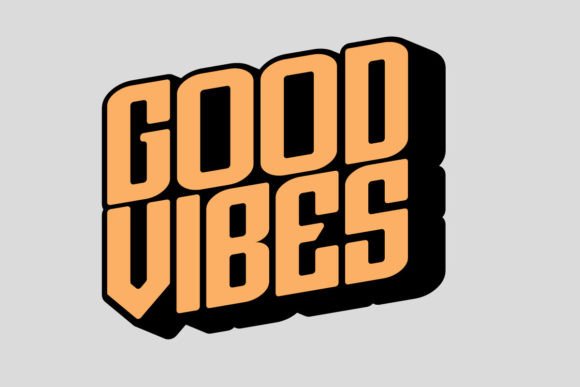
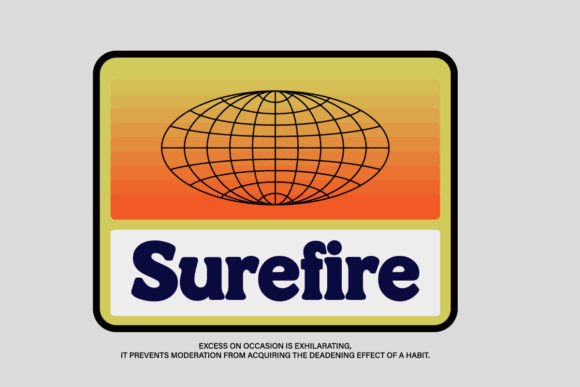
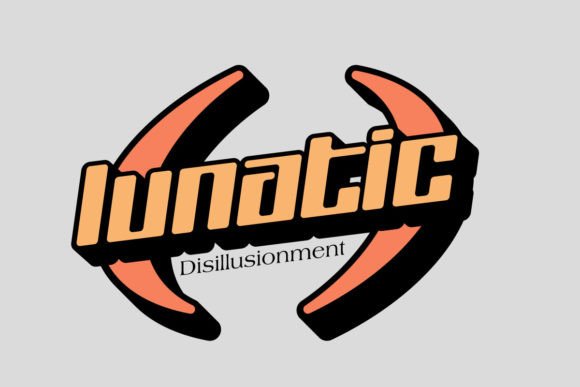
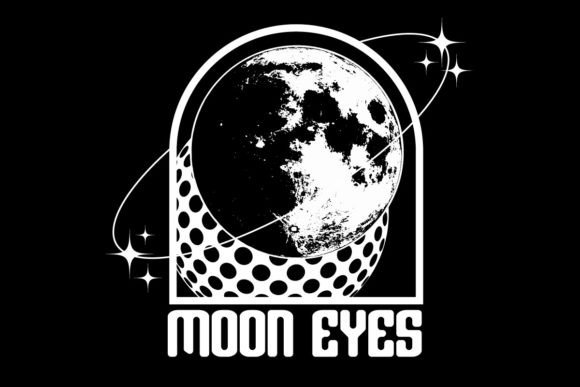
When you look at the Stripe Streetwear Graphic Design collection, the first thing you notice is the attitude. It isn’t just about bold lines and high contrast; it’s about capturing the specific, gritty elegance of modern street culture. These designs aren't trying to be overly polished or corporate. Instead, they embrace the raw, unapologetic aesthetic that defines the streetwear scene. We are talking about intricate linework, heavy textures, and compositions that feel alive. This collection is built for creators who need more than just a static image—they need a foundation for a visual language.
Vector Flexibility: Why the File Format Matters
As a designer or business owner, the most frustrating part of buying assets is often the limitations of the file format. We’ve all been there: you buy a "high-res" JPG only to realize you can't scale it up for a billboard or down for a hangtag without losing fidelity. The Stripe Streetwear Graphic Design collection sidesteps this issue entirely by providing 100% Vector source files in EPS formats. This is the industry standard for a reason. Vector means the math defines the shape, not the pixels. You can scale these graphics from the size of a postage stamp to the side of a van, and the edges will remain razor-sharp.
This flexibility is where the real value lies for your streetwear fashion brands. Because these are fully editable vectors, you aren't just buying a picture; you're buying raw material. You can easily edit these files in software like Adobe Illustrator, Affinity Designer, or even Inkscape. Want to change the color palette to match your seasonal drop? Go ahead. Need to strip out a specific element or integrate your own logomark? You have full control. This ability to transform, scale, and recolor without quality loss is critical when you are developing a cohesive brand identity. It ensures that your custom printed clothing looks professional, regardless of the printing method—whether it's screen printing, DTG (Direct to Garment), or sublimation.
Practical Application: From Screen to Street
So, you have the files. Now what? The versatility of these design assets extends far beyond the standard T-shirt, although that is obviously the primary playground. Because the aesthetic is so strong, these graphics work incredibly well for merchandise that requires a "drop" mentality. Think about the packaging design for a limited-run sneaker release, or the hero graphics for a lookbook website. The "Stripe Streetwear" style carries a weight of authenticity that translates perfectly to social media graphics. In a feed crowded with generic, clean-cut corporate imagery, these designs stop the scroll because they look like they belong to a specific tribe.
Technical Workflow and File Management
Let’s talk about the nuts and bolts. The files are delivered in a ZIP format, which is standard practice to ensure safe delivery and faster download speeds. You will need to extract them before use, but once unzipped, you have immediate access to the high-resolution JPGs for quick previews and the EPS vectors for the heavy lifting. The inclusion of high-resolution JPGs is actually a nice touch for those who might not be fluent in vector software but still want to use the imagery for digital mockups or mood boards.
However, to truly unlock the potential of Stripe Streetwear Graphic Design, you need to get comfortable with the vector environment. If you are using this for sublimation—which is where these types of dense, illustrative designs really shine—you need to ensure your color modes are correct (CMYK for print, RGB for digital). The fact that these are premium font and graphic assets means they are built to professional standards, but they require a professional workflow. Treat these files not as finished products, but as high-quality ingredients. The success of your project depends on how you cook them into your final design.
Brand Perception and Audience Connection
Why does this specific style of design matter to your bottom line? It comes down to psychology and recognition. In the world of modern typography and apparel, "Streetwear" is a code. When your audience sees the heavy lines, the distressed textures, and the bold compositions inherent in the Stripe Streetwear collection, they immediately categorize your brand. They perceive it as edgy, current, and culturally aware. This is instant brand recognition. You don't have to explain the vibe; the graphic does the talking.
For content creators and marketers, using these graphics in your web design or social media graphics creates an immediate emotional hook. It appeals to the nostalgia of 90s and early 2000s aesthetics while fitting perfectly into the current "dark mode" UI trends. It signals that your brand understands the culture, not just the commerce. Whether you are a small business owner launching a new line of accessories or a publisher creating a zine cover, the choice of graphic style dictates how your audience engages with the content. By choosing a creative font and graphic style that is bold and unapologetic, you invite your audience to engage with confidence.
Final Thoughts on Creative Integration
Ultimately, the Stripe Streetwear Graphic Design collection is a toolkit for visual storytelling. It provides the heavy lifting for your visuals, allowing you to focus on the narrative of your brand. Because it is a vector asset, it is forgiving and adaptable—two traits every designer appreciates. Remember that good design isn't just about looking cool; it's about communicating a message clearly and consistently. These assets allow you to bridge the gap between high-end graphic design and accessible street culture.
When you integrate these designs into your workflow, take the time to experiment. Try pairing them with unexpected font pairings—maybe a delicate serif to contrast the roughness, or a monospaced typeface to lean into the technical vibe. The goal is to make the design yours. With the ability to edit, recolor, and transform, the only limit is your own creative direction. These aren't just graphics; they are the building blocks for your next big creative project.